Device + Edge + Cloud
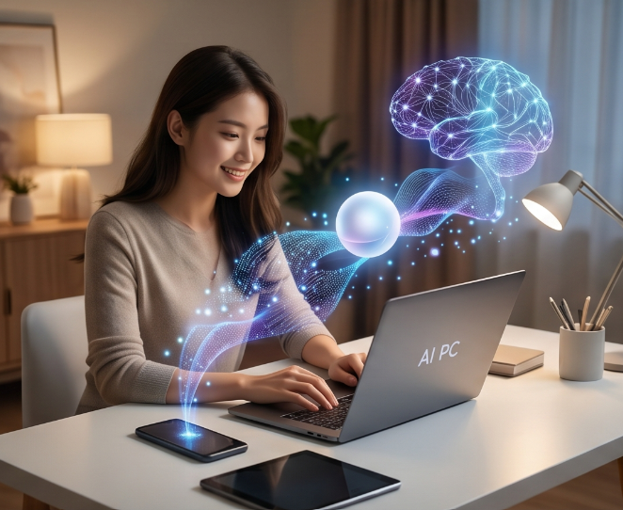
Personal AI & Next-Gen Smart Assistants
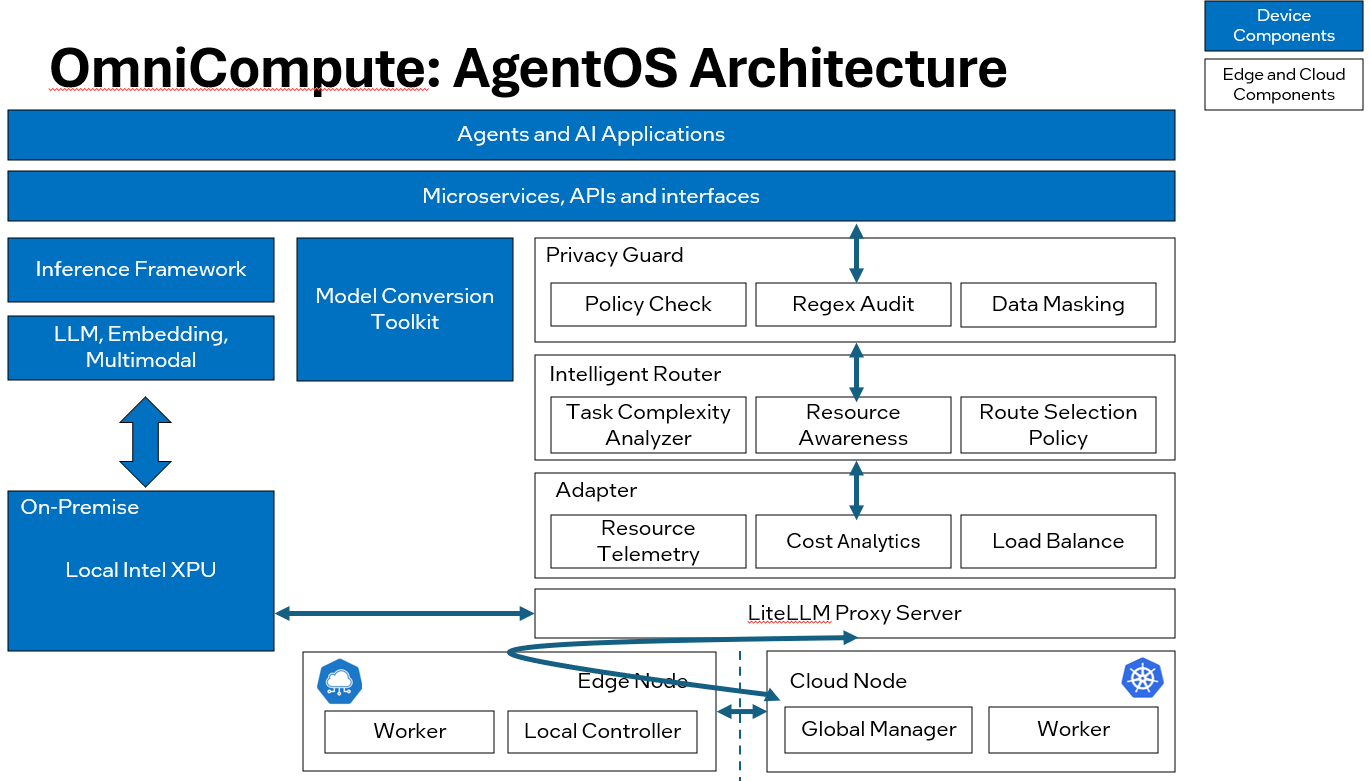
Shifting toward proactive, localized Personal AI Agents. Lightweight models on AI PCs/smartphones handle instant wake-words and biometric filtering (preserving zero-trust privacy), local home networks manage vector context, and the cloud handles deep logical reasoning and long-term planning.
Device + Edge + Cloud
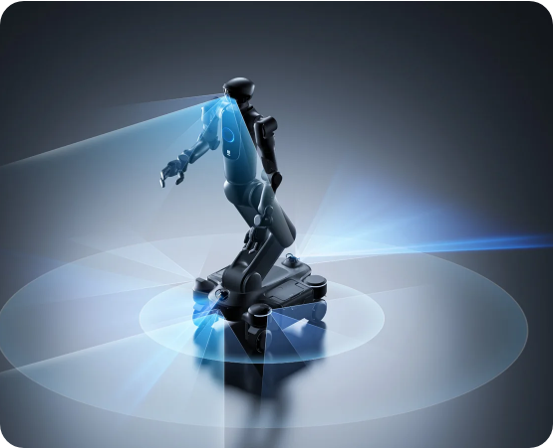
Robotics & Embodied AI
Breaking the compute limits of standalone robots. The device (robot) executes high-frequency kinematic control and real-time SLAM; the edge coordinates fleet-wide tasks and multi-robot collision avoidance; the cloud acts as the central brain for complex simulation training and foundational model updates.
Edge + Cloud (with Device sensors)
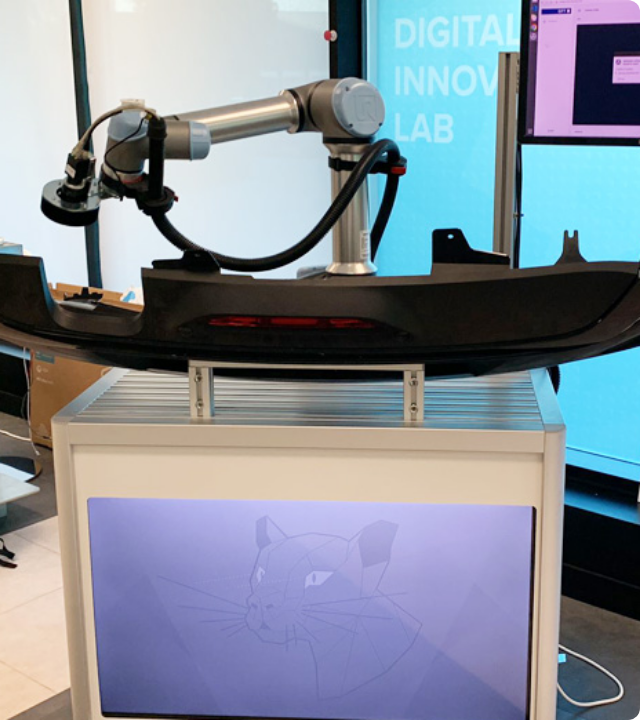
Industrial Manufacturing (Defect Detection)
Winning the millisecond battle in industrial vision. Edge nodes process hundreds of frames per second to identify scratches and drive robotic arms (<5ms latency, saving 95% bandwidth), while the cloud aggregates defect data to refine detection accuracy and power production dashboards.
Edge + Cloud
Smart City & Adaptive Traffic Control
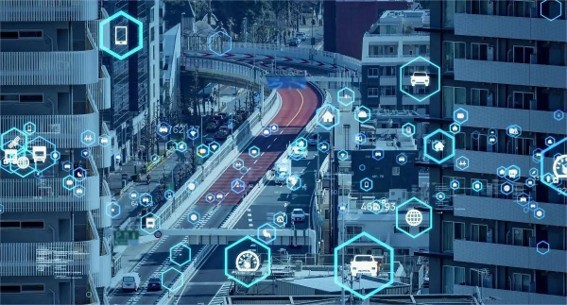
Creating a city-wide intelligent brain. Roadside edge nodes independently process intersection monitoring and dynamically adjust traffic lights (ensuring basic logic survives even if disconnected), while the cloud handles global green-wave topology planning and digital twin simulations.
Device + Edge + Cloud
Autonomous Driving (V2X Collaborative Perception)
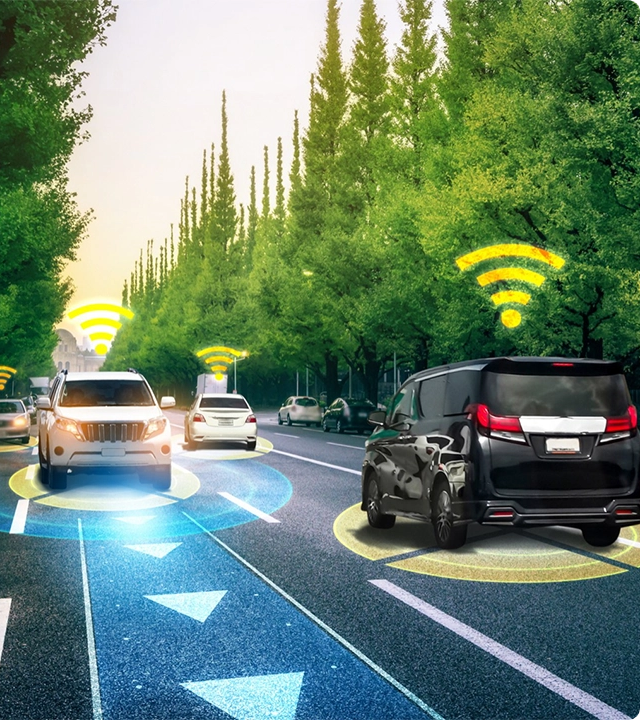
Augmenting single-vehicle intelligence. The vehicle (device) handles emergency obstacle avoidance; the roadside unit (edge) provides ultra-low latency 5G-V2X warnings to eliminate visual blind spots; the cloud maintains high-definition map updates and long-distance route orchestration.
Device + Edge + Cloud
Space Communications & Satellite Networks (SpaceX Starlink)
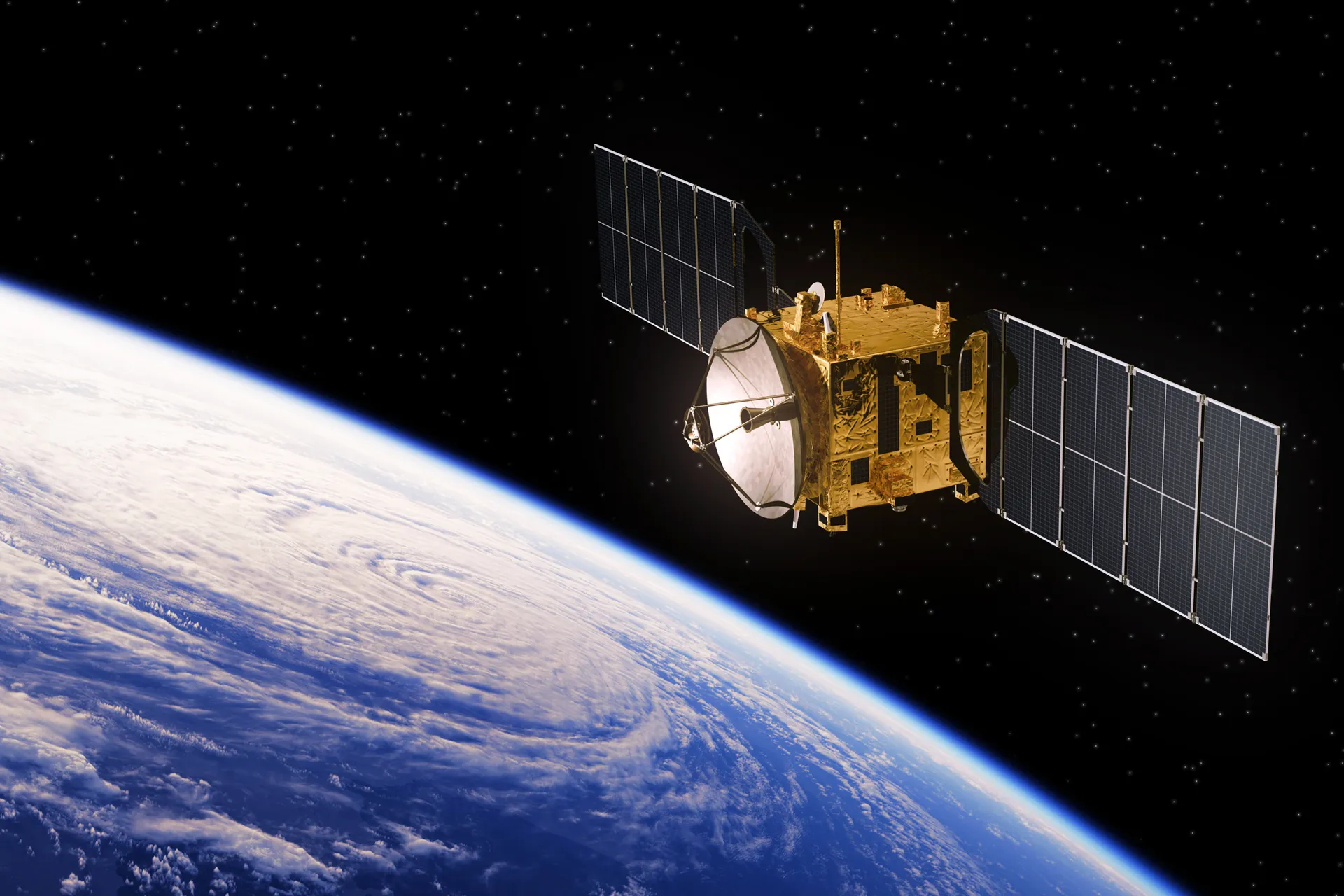
Enabling intelligent space infrastructure. Satellite constellations (device) execute autonomous orbital adjustments and beam steering; ground stations (edge) process telemetry data and coordinate handoffs across satellite swarms; the cloud manages global network orchestration, predictive maintenance analytics, and inter-satellite routing optimization for mega-constellations like Starlink.
Device + Edge + Cloud
Healthcare Diagnostics & Remote Surgery
Preserving life-critical responsiveness. Medical devices (wearables, surgical robots) process real-time vital signs and execute haptic feedback locally; hospital edge servers run HIPAA-compliant AI diagnostics and anonymize patient data before external routing; the cloud aggregates population health analytics and powers foundation models for drug discovery and treatment recommendations.
Device + Edge + Cloud
Smart Grid & Renewable Energy Management
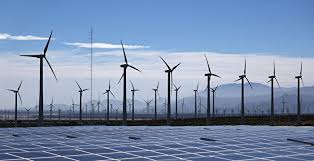
Balancing distributed energy in real-time. IoT sensors on solar panels and wind turbines (device) monitor voltage fluctuations and perform local power regulation; edge gateways at substations execute immediate load balancing to prevent cascading blackouts; the cloud orchestrates national grid topology, demand forecasting, and carbon-aware energy trading across renewable sources.